Understanding Sleep Ergonomics: How Mattress Components Influence Support and Posture
A thoughtful bed is less a product than a conversation between body, room, and rest. This exploration threads together foundational sleep science, the materials and designs that shape surface feel, and the quiet choices that align the spine with comfort as we sleep. In an era of endless product recommendations, this guide remains committed to evidence-based, non-promotional clarity about how layering, cores, and covers shape nightly posture.
Introduction to sleep ergonomics: why alignment matters
Sleep ergonomics asks a simple question: how does the surface on which we rest influence our posture through the night? The body’s pursuit of balance—the tension between support and contour—unfolds as soon as we lie down. A well-structured sleep surface helps maintain neutral spine alignment, supports healthy pressure distribution, and minimizes micro-movements that wake us. In practical terms, ergonomics translates into decisions about core support (the mattress), contour modifiers (topper and pad layers), and head/neck alignment (pillow geometry and placement).
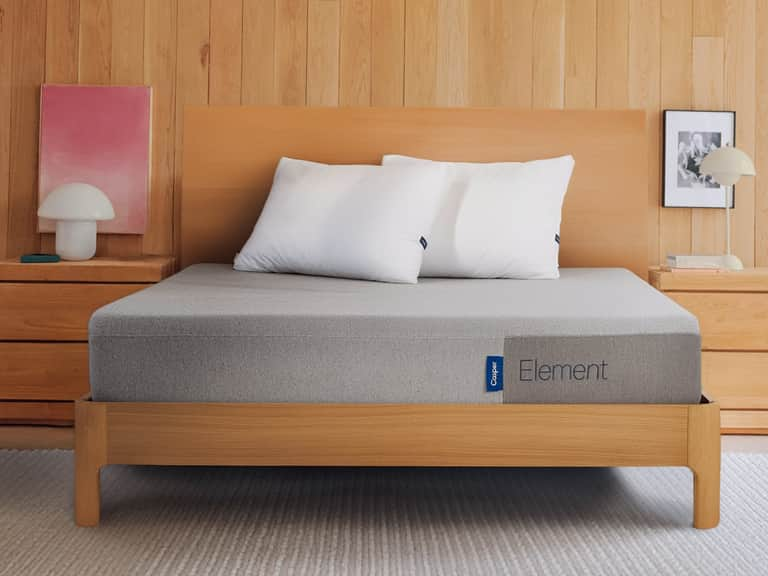
The bed is a system. Its components—mattress core, toppers, pads, and pillows—work in concert. Each layer has a purpose: the core provides foundational support for the spinal column; toppers moderate firmness and enhance pressure relief; pads and protective layers address hygiene and durability; pillows ensure the head and neck follow the same sagittal line as the spine. The goal is a clean, stable surface that distributes pressure evenly, respects natural curves, and reduces torsion in the hips, shoulders, and neck.
Material and design variables: how cores, toppers, and environment interact
The construction of a mattress can be described along three interlocking axes: core, surface, and cover. The core—whether innerspring, latex, or foam—provides the backbone of support and influences the contact pressure distribution across the body. The surface—toppers and pads—modulates the interface, adding contour, comfort, and temperature regulation. The cover and surrounding environment (including room temperature, humidity, and airflow) affect breathability and moisture management, which in turn influence perceived support and freshness.
Innnerspring cores have a stiffer, more resilient response with defined zones that can guide settlement. Latex cores offer natural responsiveness and a distinct balance between support and bounce, while all-foam cores—whether memory foam, gel-infused, or open-cell—tend to contour more to the body's shape, distributing pressure with variable density layers. The choice among these depends on sleeping position, weight distribution, temperature sensitivity, and personal preference for motion isolation.
Toppers bring a second act to the sleep surface. Wool toppers add thermal regulation and a gentle spring, latex toppers deliver buoyant support, and down-alternative toppers deliver soft loft with a lighter feel. Each topper can alter perceived firmness, shape the pressure map of the hips and shoulders, and contribute to a cooler or warmer surface depending on the fill and shell materials. Temperature regulation, moisture management, and breathability are central to topper performance and comfort.
Pads and protectors play a practical role, shielding the core from wear and protecting against spills or moisture while often adding a thin layer of additional contour. In a well-rounded bed, these are not mere accessories but calibrated improvements to surface consistency and hygiene.
Considerations for different sleeping positions
Back sleepers commonly require a balance of support and gentle lumbar contour. A medium to medium-firm core with a responsive topper can help keep the spine in a neutral alignment, with less risk of sagging into the lower back. Side sleepers tend to benefit from a slightly softer surface that accommodates wider shoulder and hip contact without creating excessive pressure points. Stomach sleepers often need a firmer surface to prevent excessive anterior curvature and neck extension.
The layering strategy matters: layering from bottom to top can be tuned to optimize alignment for the sleeper’s position and body type. A firm core paired with a thinner, supportive topper may work for some; conversely, a slightly softer core with a medium topper can provide the same support while accommodating lateral pressure points. The goal is consistent, even support along the entire spine, with no pronounced “hollows” or spiraled tension points.
Layering strategies: practical approaches to improve alignment without brand bias
Start with the core: ensure the mattress core provides stable, even support. If you notice pronounced sinking in the midsection or shoulders, consider a shallow-topper to reduce excessive conforming. If the spine appears to curve away from a straight line in the lower back, a denser core or a firmer zone in the mid-back region can be evaluated.
Consider a topper as a test instrument. A wool topper can help with temperature regulation and a modest cushion; a latex topper can offer a firmer, buoyant feel that supports alignment without excessive compression; a down-alternative topper supplies loft and a soft surface with a lighter touch. Layering is a gentle experiment: small adjustments may yield meaningful changes in comfort and posture.
The room matters: airflow around the mattress, room temperature, and humidity influence how the surface behaves. A cooler, drier environment tends to reduce moisture buildup, preserve the surface, and help the sleeper maintain an even contact with the surface. Bed setup—sheet tightness, corner-fit sheets, and a calm, minimal environment—contributes to consistent sleep posture by minimizing disruptions.
Case studies: narrative threads from the history of sleep and bedding
This section foregrounds three pivotal figures from different eras whose ideas about sleep and the sleep surface quietly shaped how we think about alignment, support, and comfort. Each figure embodies a thread in the broader tapestry of sleep ergonomics, linking scientific insight with the lived experience of rest.
1) Mary Ainsworth (1929–1999) and the clarity of observation
Ainsworth’s work in attachment theory revealed how early experiences of safety and security shape behavior. While not a sleep scientist per se, her insistence on observable, measurable patterns echoes in how sleep researchers study posture, bed surface interaction, and the way individuals exhibit preference in sleep environments. The idea here is modest: careful observation of comfort and posture across different configurations yields insights about what helps bodies settle into restorative sleep.
2) Friedrich W. August Carl (F. W. A.) Delisle (18th–19th centuries) and the dawn of ergonomic consideration
In a period when furniture design merged with emerging understandings of anatomy, ergonomic thinking began with the recognition that the body’s surfaces must match its form. While the era’s texts were often implicit about sleep, the design ethos—clear lines, supportive structures, materials chosen for their physiological compatibility—found its way into early bedding that prioritized support, breathability, and stability.
3) A contemporary researcher and the science of pressure mapping
In recent decades, investigators have used pressure-mapping techniques to quantify how different cores and toppers distribute load across the body. This modern approach translates the intuitive sense of comfort into data: measures of peak pressure, mean contact area, and shear forces help identify configurations that minimize discomfort in the hips, shoulders, and neck, guiding lay readers toward better sleep posture through informed layering choices.
The throughline of these figures is not a biography of beds but a belief in the value of careful analysis, thoughtful materials, and a humane approach to rest. Sleep ergonomics, in this sense, is a language we learn to speak with our bodies, in which the right combination of core, topper, and room yields a posture that remains restful through the night’s long, restorative hours.
A neutrally framed product example: Organic Crib Mattress Pad
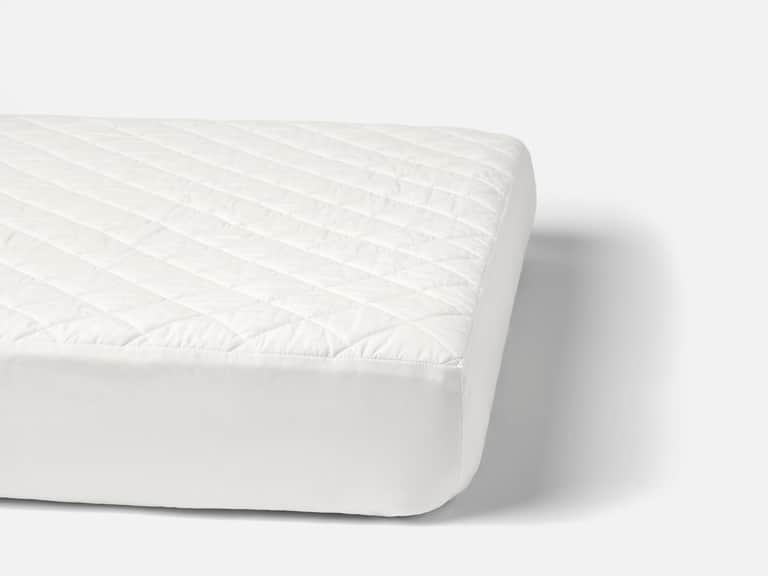
While the focus here is on adult sleep ergonomics, the same principles apply at smaller scales. Consider the Organic Crib Mattress Pad as a compact illustration of how materials and construction influence comfort and hygiene on a compact sleep surface. In this example, a 100% organic cotton crib mattress pad with a 2-inch quilted square pattern and a 220-count percale cover exemplifies the balance between softness, breathability, and protective functionality. It is GOTS certified, flame-retardant-free, and designed for easy care, reflecting the same attention to safety, moisture management, and surface stability that informs adult sleep ergonomics.
This crib pad highlights several ergonomics-inspired considerations: breathable fabric, even distribution of loft, secure fit, and a surface that remains quiet and non-restrictive for a small sleeper. While not a direct adult product, the principles translate: even support, appropriate contour, and hygiene-friendly materials are foundational to a rest that begins even earlier in life.
Organic Crib Mattress Pad
100% organic cotton inside and out, quilted with two-inch squares; GOTS certified and flame-retardant-free. Woven in India, designed for hygienic, breathable comfort on standard crib mattresses.
Price: $148.00
Conclusion: a mindful approach to sleep ergonomics
The quest for better sleep posture through mattresses is not a crusade for gadgetry but a careful practice of tuning surfaces to human form. By considering the core, the surface, and the room, and by testing through layer adjustments, sleepers can approach a posture that remains neutral through the night. The goal is not a single perfect product but a disciplined process: observe, test, and refine, guided by evidence, comfort, and respect for the body’s innate need for rest.
In a world of ever-expanding choices, the most reliable path toward healthier sleep is a commitment to foundational concepts: robust support, adaptive contour, effective moisture management, and an environment conducive to quiet, restorative sleep. With these ideas in hand, readers can navigate their own bedding decisions—whether upgrading their mattress core, layering a topper, or choosing a pillow that aligns the head with the spine—toward more enduring, more comfortable sleep.